
Alternative provision
Programmes and placements
Wild Minds is a specialist alternative provision for young people aged 11–25 who are not getting what they need from mainstream education. Every placement runs on the same framework, with the days and the pathway matched to the young person's age and stage. Young people work in small groups, or one to one where a placement needs it.
Who we support
We work with learners who are anxious, disengaged, excluded, out of education, or in a placement that is close to breaking down. Many have been in settings that expected them to change before they felt safe.
- SEND and EHCPs
- SEMH needs
- Autism
- Anxiety and school avoidance
- Trauma and adverse experiences
- Neurodivergence
- Young people at risk of exclusion
- Placement breakdown
- Part-time and EOTAS packages
Pathways
Ages 11–25
WILD Foundation
Years 6–9Getting back into learning, managing feelings and building relationships with adults.
WILD P14
Years 10–11Personal development, functional learning, vocational exploration and preparation for the next stage.
WILD P16
Ages 16–19Personal development, functional skills, vocational learning, independence and preparation for adulthood.
WILD Futures
Ages 20–25Vocational skills, workplace confidence, independence and progression towards employment, volunteering or further training.
WILD Intensive Support
Personalised 1:1One-to-one placements for learners who need intensive, low-demand support, across all age ranges.
How many days a week
Tier 1
1 day
Building attendance tolerance alongside a school or home package.
Tier 2
2 days
Established routine with vocational and personal development strands.
Tier 3
3 days
Full WILD programme for EOTAS and packages with higher provision need.
What a day looks like
The day follows the same pattern, and staff adjust it to how a young person arrives. Days can be shortened or reshaped while attendance tolerance is being built.
A low-demand start. Regulation, check-in and a predictable welcome from a known adult.
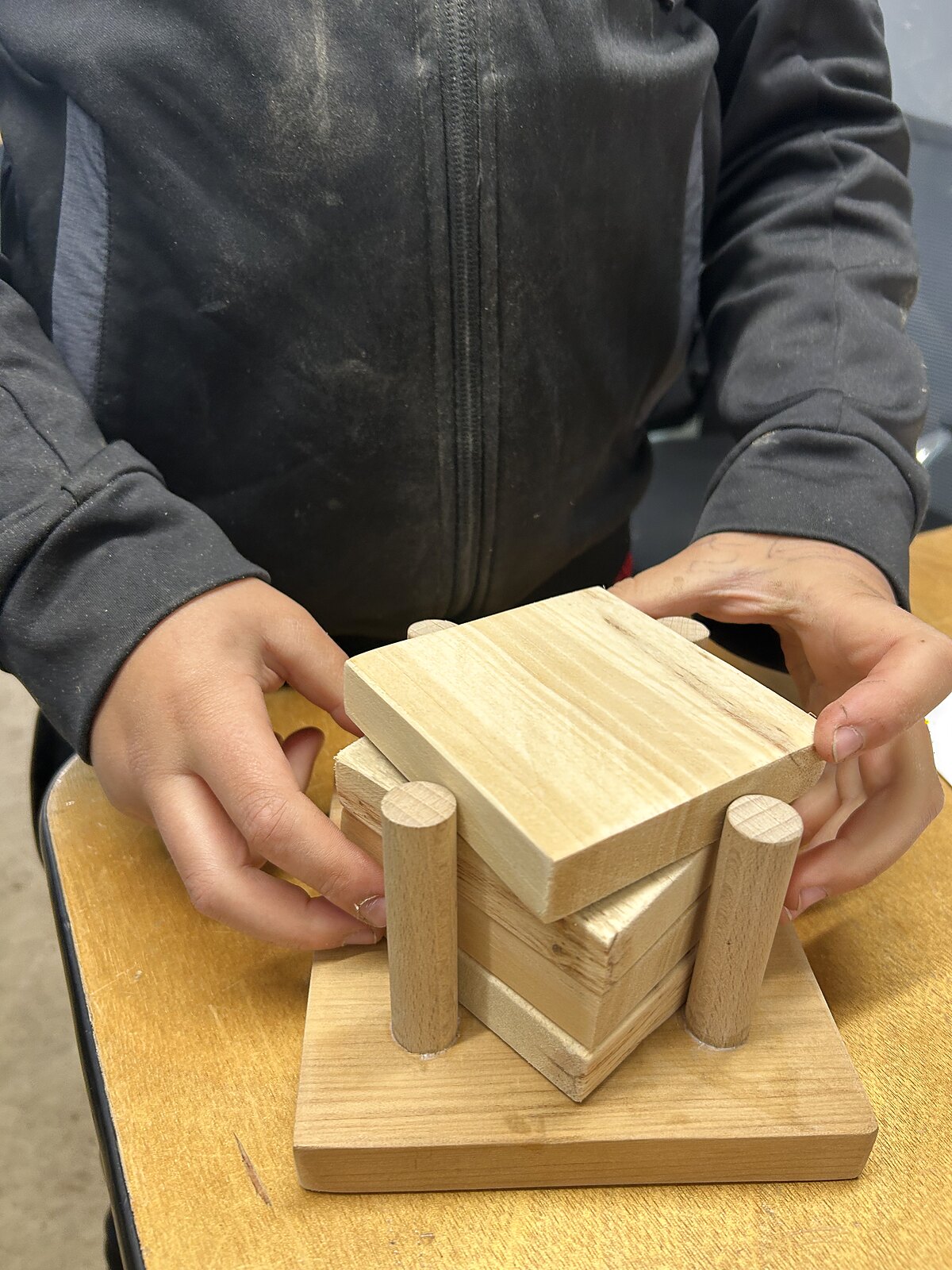
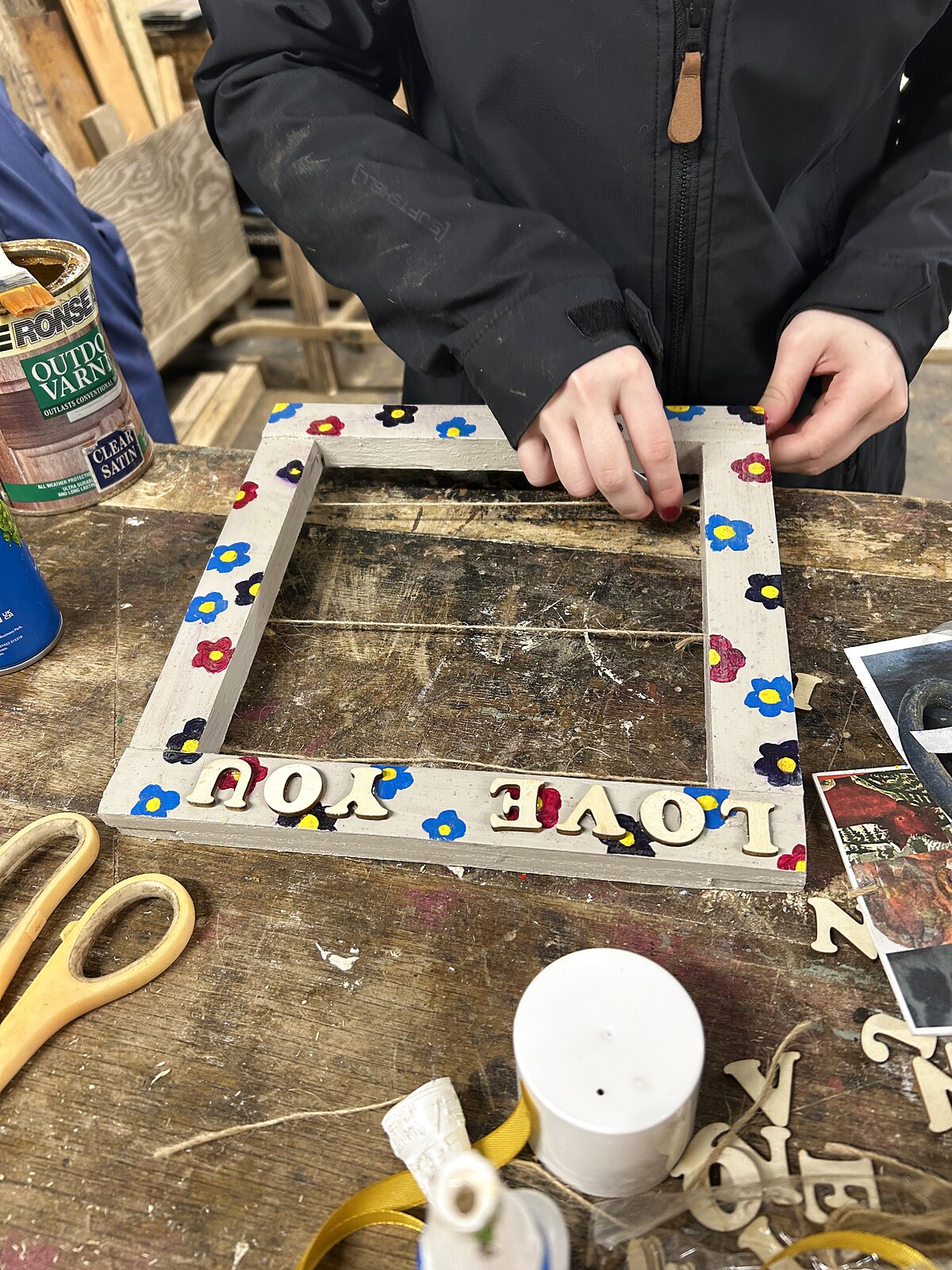
Practical or vocational session: animal care, construction, horticulture, catering or enterprise.
Shared meal, life skills and unstructured social time supported by staff.
Functional skills, personal development or accreditation work, matched to the individual plan.
Reflection, record-keeping and handover to family, school or transport.
Curriculum and accreditation
We record learning wherever it happens. Alongside Functional Skills and vocational units, we record personal, social and practical progress across the five WILD strands. This shows progress before a young person is ready for a qualification.
Ages 16 to 20
WILD Post-16 Programme
A flexible two-year programme with therapeutic support, vocational learning and nationally recognised qualifications.
Maths and English tutoring
Alongside our placements, we offer one-to-one tutoring in Maths and English for young people who need focused support outside a group setting. Sessions are planned around the learner and can sit within a wider Wild Minds package or stand alone.
What we cover
- Functional Skills Maths
- Functional Skills English
- Key Stage 3 Maths
Where it happens
- Classroom based
- Online
- Outdoor based
Tutoring is arranged through the same referral route as our placements. Tell us what the young person needs and we will agree the setting and frequency together.
Make a referralFor local authorities
How we help local authorities
Local authorities want more young people with SEND learning close to home, enough good alternative provision, more options after 16 and clear evidence that placements are working. This is where we fit.
- Sites close to home, so journeys are short
- NOCN-accredited post-16 courses for young people with EHCPs
- Part-time placements that work alongside a school or college place
- Start dates all year round
- Travel training built into the programme
- Progress reports against EHCP outcomes every half term
For schools and local authorities
Commissioning a placement
Rolling starts
Placements can start at any point in the year.
Tiered days
One to three days a week, or full-time packages by agreement.
Transport
Our sites are local, so journeys are short. We also teach travel skills, so many young people work towards getting here on their own.
Reporting
Half-termly progress reports and contributions to EHCP annual reviews, drawn from live practice records.
Information for commissioners
Eligibility and suitability
A whole-person review considers needs, current provision, attendance, interests and the environment most likely to help.
Reporting and reviews
Half-termly reporting and EHCP review contributions are informed by attendance, welfare and live practice records.
Safeguarding
Safer recruitment, safeguarding records, welfare checks and clear escalation routes are built into daily practice.
Quality assurance
Practitioner supervision, shared planning language and review cycles support consistent delivery across all three sites.
For exact site details, current capacity or anything else, call the team.