
For parents and carers
Information for families
You do not need a diagnosis or a plan in place to talk to us. Most families reach us worn out after years of trying to make school work.
Please read this first
How referral works
We are not able to take a placement directly from a family. A young person has to be referred by a professional who already knows them, and that same professional usually holds the funding for the placement.
This is the quickest way to get things moving. Send them the link to our referral page and ask them to complete the form. As soon as it reaches us, we email them to arrange a visit, and we keep you in the loop from there.
Open the referral pageWho can refer a young person
- Your young person's school or college
- Your EHCCO or SEN caseworker
- The local authority inclusion or attendance team
- A social worker, youth worker or health professional involved with your young person
Something you can send them
"I would like my young person to be considered for a place at Wild Minds Alternative Provision. Placements are by referral only. Please could you complete their referral form here: www.wildminds.pro/referrals"
If you are not sure who to ask, call us on 07403 015891 and we will help you work it out.
Your first visit
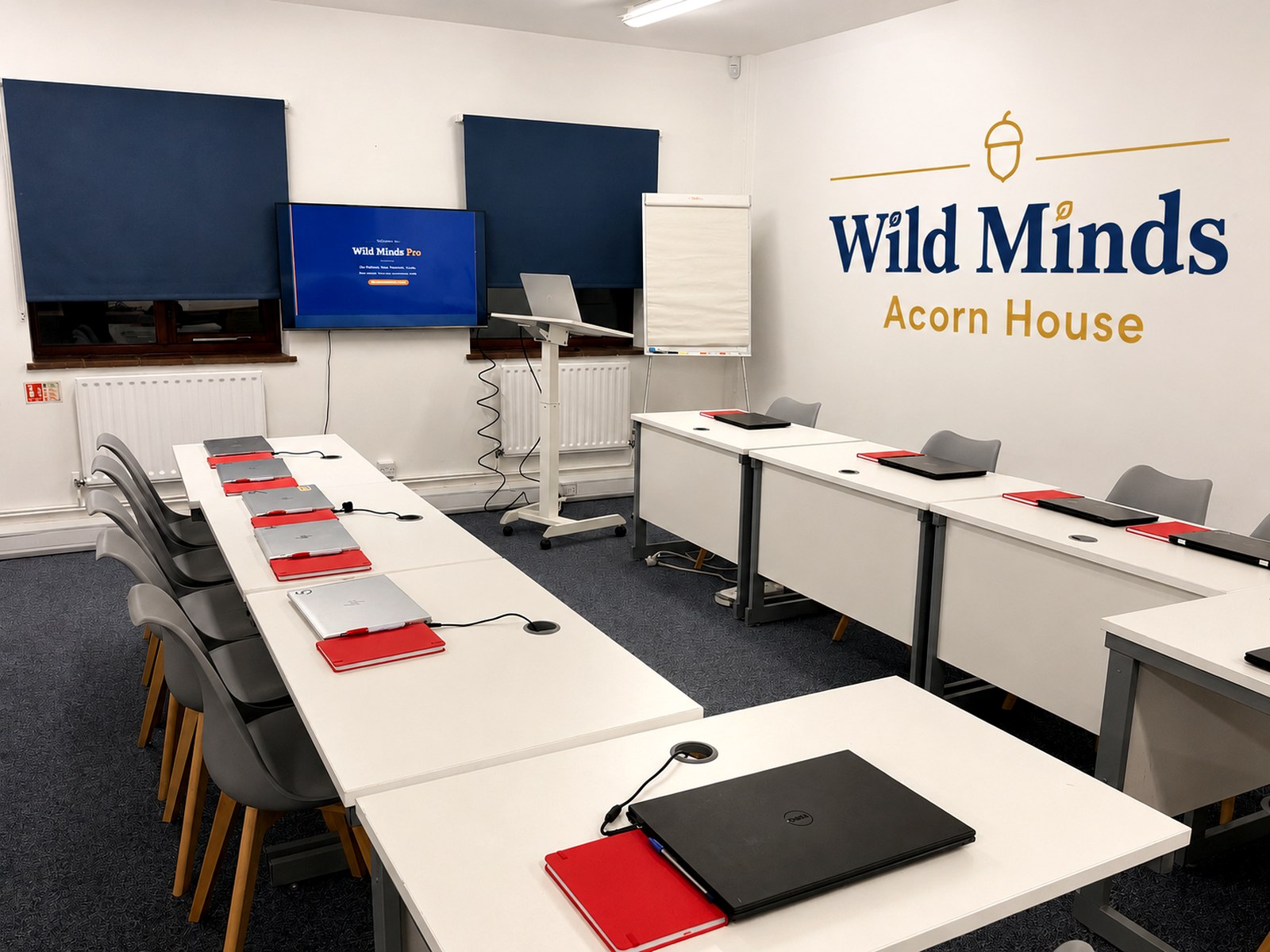
You will meet a small number of staff, see the spaces you may use and talk about what helps you feel comfortable. You can ask questions, bring someone you trust and take a break whenever you need one.
Arriving
A familiar adult welcomes you. There is no expectation to walk straight into a busy group.
Settling
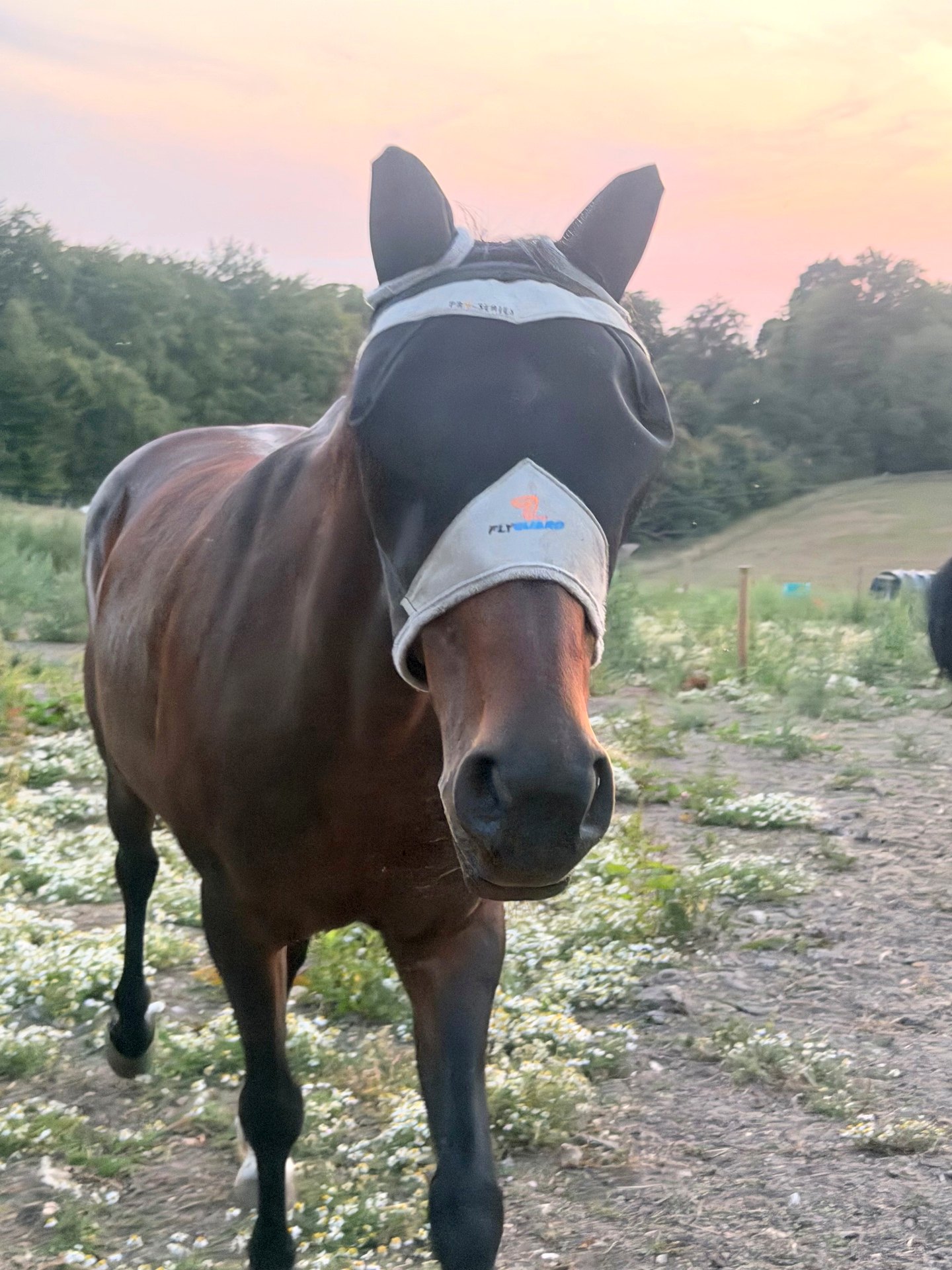
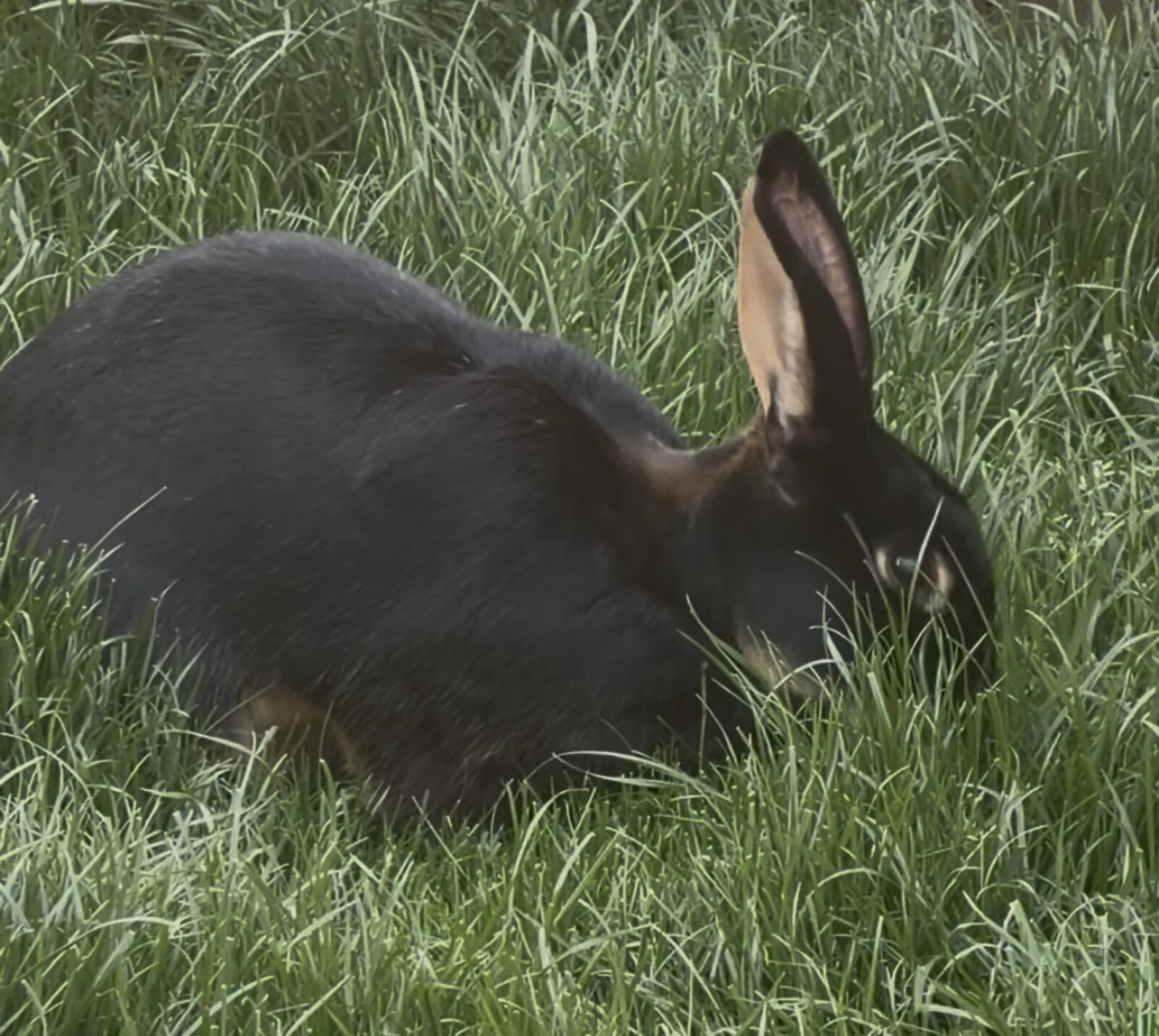
You can look around, meet the animals or use a quieter space. Staff explain what will happen next.
Learning
Activities may include animal care, practical projects, functional skills, cooking or outdoor learning.
Going home
The day ends calmly, with a clear handover and a plan for the next visit or session.
Before your first day
Getting ready for your day at WILD Minds
Here is what to wear and bring. If any of this is a worry, tell us and we will plan around it.
Clothing and PPE
Wear clothes for practical work and being outdoors. Comfortable clothes you can move in, and don't mind getting a little muddy, are ideal.
Safety boots and other protective equipment are needed for some activities, including the workshops and equine sessions. Waterproof layers and warm clothing matter in colder weather, and nails should be kept short so hands stay safe.
Lunch and drinks
Bring a packed lunch and a refillable water bottle each day.
Tell us about dietary needs, food preferences or sensory sensitivities around eating, and we will plan around them.
Mobile phones
We ask everyone to take a break from screens while they are here. Phones are kept safely during the day and returned at home time.
Individual arrangements can be made where needed for accessibility, medical or communication reasons.
Getting here
Transport arrangements are confirmed as part of your placement and stay the same unless we contact you.
If travelling here feels difficult, tell us early and we will look at it with you. We are happy to talk it through before your young person starts.
If something is not right for your young person, tell us. We would rather change the plan than have a day start badly.
Safety
Nothing begins until a young person is regulated and feels physically and emotionally safe in the environment and with the adults in it.
Connection
Trusted, consistent relationships come next. Behaviour is communication. Knowing a young person well helps adults read it and respond well.
Change
Learning, accreditation and preparation for adulthood follow once safety and connection hold. We do not expect progress before a young person starts.
How a young person starts
A conversation
An informal chat about your young person, with no forms and no commitment.
Ask for a referral
Send the referral page to your school, EHCCO or local authority and ask them to complete the form.
A visit
You and your young person visit the site, meet staff and see what a day involves.
A gentle start
A short, low-demand introduction that grows into an agreed pattern of days.
Questions families ask
If your question is not here, call us. We would rather have an honest conversation than have you guess.
07403 015891My young person has not attended school for months. Is that a problem?
No. Many of the young people who join us have been out of education for a long time. We start with attendance tolerance, not a full timetable, and build from there.
Do we need an EHCP?
Not necessarily. We support learners with and without an EHCP. What matters is whether the placement is the right fit and who is funding it, usually a school, college or the local authority.
Who pays for a placement?
Placements are commissioned by schools, colleges or local authorities. We can talk you through how to raise it with your school or SEN caseworker, and we are happy to speak to them directly.
Can we visit first?
Yes, and we recommend it. Families and young people are welcome to visit informally before any decision is made. Knowing the place helps young people feel safe.
What if my young person struggles on a given day?
That is expected. Days can be shortened, reshaped or moved. We record what happened, work out what it was communicating, and adjust the plan.
How will we know how they are doing?
You will have a named contact and regular updates. Progress is recorded daily against the young person's plan, so reviews are based on real evidence rather than impressions.
A note for families
"Your young person is not behind. They have been asked to learn in places where they did not feel safe. We help them feel safe first."
Wild Minds Alternative Provision